I fully built a shipping platform from zero. Architecture, workflows, integrations, business logic — end to end. That experience shaped how I think about operational systems, scale, and the kind of technology foundation growing companies depend on.
BURGA operates at the intersection of manufacturing, warehouse, shipping, returns, ERP, and operational scale. My strongest relevance is practical, not theoretical: I've already built the kind of integration-heavy, operations-critical platform that businesses like this depend on. I know how business rules become software, how integration failure points create real cost, and how operational complexity needs to be solved inside the system.
I designed and built a shipping platform end-to-end: architecture, workflows, carrier integrations, business logic, and operational structure. Not features around shipping — the actual system.
Full e-commerce systems built from zero including checkout, payments, multi-currency, accounting logic, and business-critical operations. I understand how revenue flows through software.
I think in flows, not screens. I understand how warehouse, billing, HR, and logistics processes translate into reliable software that handles real-world exceptions, timing, and scale.
~50 integrations built across carriers, payment providers, and business systems. I know how to design APIs, handle failure states, and build systems that connect reliably to the outside world.
Designed and built two shipping/logistics platforms from scratch — one internal operational platform with multiple carriers and real workflow value, and one public SaaS product. This was not contributing features to someone else's system. I built the actual platform: logic, flows, integrations, and the operational structure needed to make it work in a real business environment.
That means carrier integrations, pricing logic, label generation, tracking, operational automation, workflow design, API architecture, and the kind of systems thinking where architecture decisions directly affect business operations.
This experience shaped how I think about logistics, process reliability, data flow, and the kind of technology foundation growing companies need.
Operating across a group of 9 businesses with roughly $50M in annual revenue, working directly with the CEO on systems that affect core operations — HR, billing, payment collection, automation, document management, and workforce-related workflows for approximately 2,000 workers abroad.
Deciding what to improve, what to automate, what direction to take, and what operational workflows can be redesigned or reduced. Currently rewriting major HR and billing functionality to solve real structural problems in the existing systems.
Lead Developer in a high-scale, data-heavy SaaS product environment. Contributed to the core platform, built microservices, shipped features, and shaped technical direction across engineering work tied directly to a fast-growing product business.
Led a team of 5 developers, hired 4 of them. Set development standards, reviewed code and architecture decisions, mentored engineers, and worked cross-functionally across the business. Supported growth from roughly €9M to €14M+ in revenue.
I've built complete e-commerce systems from scratch — not themes or plugins, but the actual business logic, checkout flows, payment integrations, and operational systems underneath. I understand how revenue flows through software and where reliability matters most.
When I see repetitive work, I immediately start thinking about how software, systems, or AI can remove it. I've consistently replaced manual processes with systems that reduce waste, reduce headcount dependency, and multiply output.
Using AI daily since roughly 2021/2022 as a force multiplier across building, problem-solving, and automation. Built helper tools, automation workflows, and AI-assisted systems that increase speed, output, and decision quality.
"I see leverage and automation where others see routine work."
When I look at a problem, I usually don't see a single path. I see several possible architectures, trade-offs, and leverage points quickly. That makes me effective in environments where technology needs to serve real operations — not just look good in a demo.
I design systems that handle real-world exceptions, edge cases, and operational complexity — not just the happy path.
I'm comfortable saying "this is the wrong direction" — and even more comfortable proposing a better one. I don't execute blindly.
I think ahead to where today's shortcuts become tomorrow's expensive problems. That saves businesses real time and money.
I don't treat technology as a department to maintain. I treat it as a lever for revenue, speed, operational efficiency, and strategic advantage.
I take ownership, initiate conversations, and drive things forward without waiting for permission. I operate well close to founders and leadership.
Even in leadership roles, I stay close to the code, the architecture, and the system. I'm not a strategy-only leader — I go deep when required.
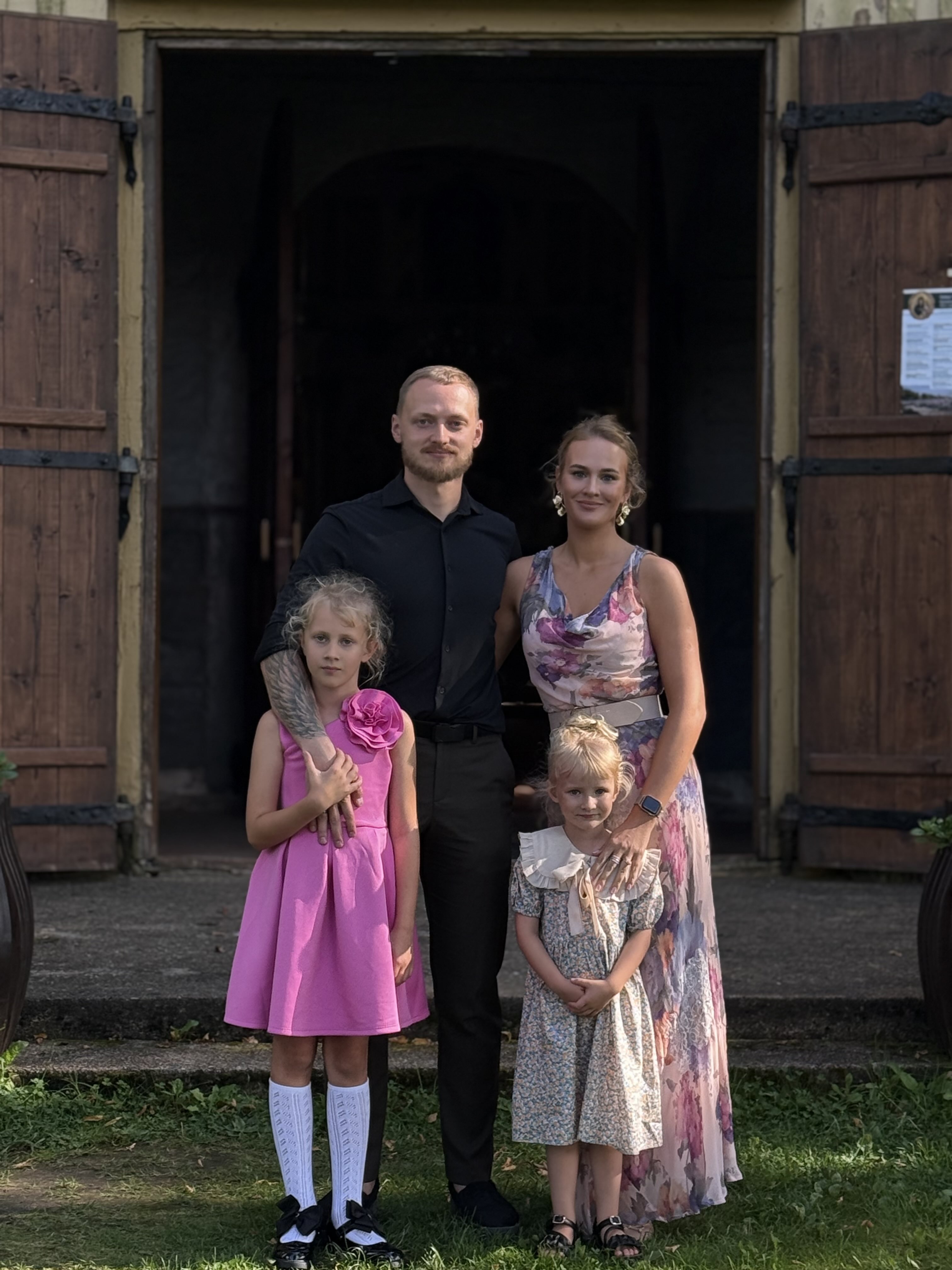
The way I work reflects the way I live: disciplined, consistent, and comfortable with hard things. I'm a father of two daughters, wake up early, and train daily — including kickboxing.
Over time, that consistency has included losing 18 kg through sustained effort and completing a full year of daily outdoor cold plunges — every single day, across every season.
None of this is decorative. It's the same pattern that shows up in work: set a direction, show up consistently, and don't stop when it gets uncomfortable.
BURGA is scaling through operational complexity — manufacturing, warehouse, shipping, returns, ERP, integrations. I've already built the kind of systems that sit at the heart of that complexity. I'm not learning this on the job. I'm bringing direct, practical experience.
If BURGA needs a technology leader who has already built the kind of systems the business depends on, let's talk.
Get in Touch →